

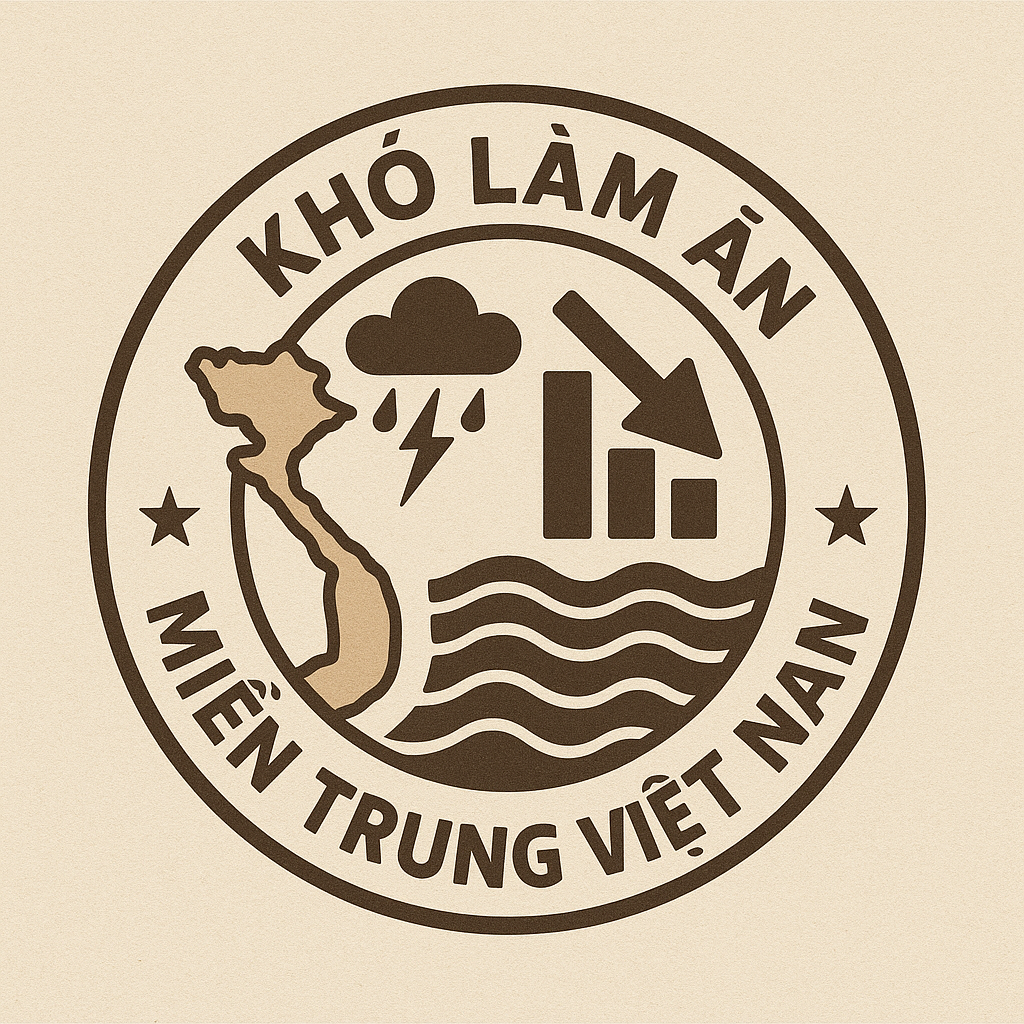
Why is it hard to do business in Central Vietnam?
Th8
Central Vietnam is often considered more difficult for doing business compared to the North and South due to both objective and subjective factors. Key reasons include:
🔹 1. Harsh natural conditions
Frequent natural disasters: Central Vietnam regularly suffers from storms, floods, droughts, and prolonged heatwaves — all of which pose high risks to agriculture, construction, and business operations.
Narrow terrain with mountains: Difficult for infrastructure planning and often leads to disconnected transport systems.
🔹 2. Small market scale
Low population density: Scattered population and lower average income limit purchasing power.
Lack of major urban centers: Only a few economic hubs like Da Nang, Hue, or Nha Trang, making the domestic market small.
🔹 3. Incomplete infrastructure and logistics
Roads, ports, and airports are not effectively connected to major economic centers.
Lack of large industrial parks; fragmented logistics increase transportation costs.
🔹 4. Shortage of high-quality human resources
Many young people migrate to the South or abroad for better job opportunities.
Businesses struggle to find skilled technical and mid-to-high-level management workers locally.
🔹 5. Limited investment attraction
Local support policies are not strong or consistent across provinces.
The investment environment is less attractive than in major centers like Ho Chi Minh City or Hanoi.
🔹 6. Conservative consumption and innovation mindset
People in Central Vietnam are known for being hardworking and frugal, which slows adoption of new products/services.
More cautious in doing business, with lower appetite for high-risk investments.
➡️ If you’re considering doing business in Central Vietnam, you should:
-
Choose sectors suitable to local strengths (tourism, seaports, renewable energy, etc.)
-
Prepare long-term strategies and adapt to environmental challenges
-
Take advantage of government investment incentive policies