

SPARK PLUG AND IGNITION SYSTEM IGNITING THE POWER OF GASOLINE ENGINES
Th5
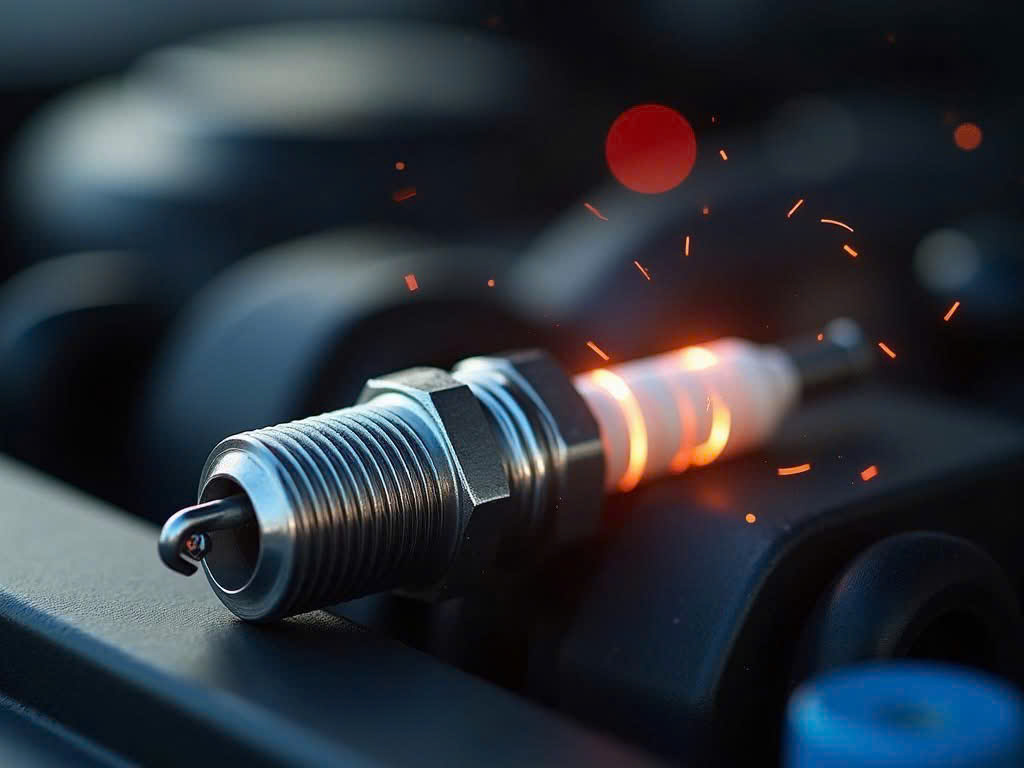
In internal combustion engines, especially gasoline engines, the spark plug and ignition system play a crucial role. This silent duo generates the initial spark to ignite the combustion process, transforming fuel into power.
What is a Spark Plug? Its Role in Gasoline Engines
The spark plug is the final component in the ignition system, responsible for generating a spark to ignite the compressed air-fuel mixture in the cylinder.
Spark Plug Structure:
-
Central electrode and ground electrode
-
Spark gap ranges from 0.25 mm to 1.8 mm
-
Insulating ceramic layer for heat and pressure resistance
Working Principle of Spark Plug:
When a high-voltage current (12,000V–50,000V) is sent to the spark plug, it creates a spark that jumps across the gap between the electrodes, igniting the fuel-air mixture.
What is the Ignition System? How Does It Work?
The electronic ignition system is a set of synchronized components that generate high voltage and deliver it to the spark plug at the correct timing.
Main Components:
-
Power source (Battery): Supplies the initial electrical current
-
Ignition coil: Steps up voltage from 12V to tens of thousands of volts
-
Ignition control module (ECU/ICM): Controls ignition timing
-
Crankshaft position and engine speed sensors: Provide data for accurate timing
-
High-voltage wires: Transmit current to the spark plug
Spark Generation Process:
-
Voltage boost: The ignition coil increases battery voltage
-
Power delivery to spark plug: Via high-voltage wires or direct ignition
-
Spark creation: The spark plug fires to ignite the air-fuel mixture
-
Power stroke: Heat from combustion pushes the piston down, turning the crankshaft – generating mechanical energy
Why Are Spark Plugs and the Ignition System Important?
-
Optimize engine performance
-
Improve fuel efficiency
-
Reduce harmful emissions
-
Ensure fast and stable starts
-
Protect other engine components from wear