

Negotiation Techniques You Can Apply in Work, Business, and Everyday Communication
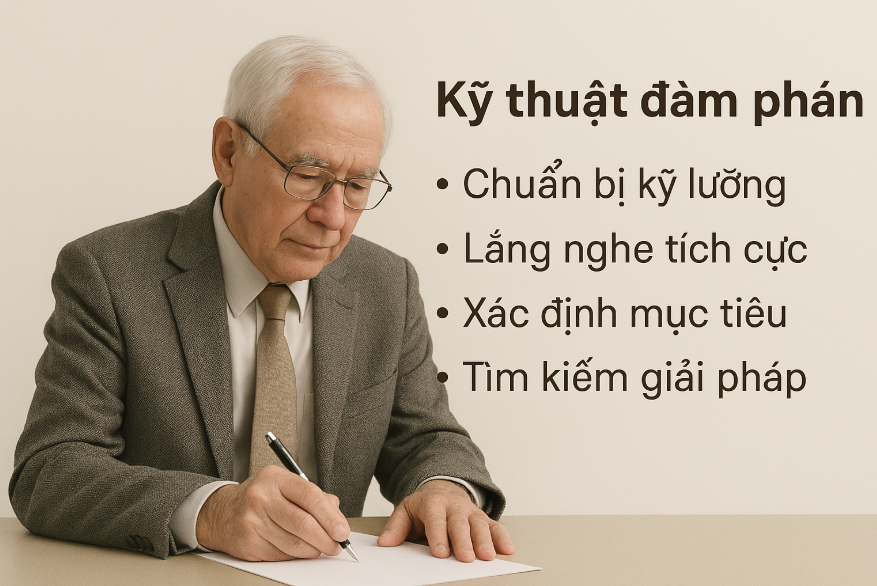
Th4
-
“Win-Win” Technique
-
Goal: Both parties achieve what they want or at least avoid loss.
-
How to apply:
-
Listen to the other party’s real needs.
-
Propose flexible solutions that can be adjusted for mutual benefit.
-
Example: Instead of arguing about the price, you can offer a discount in exchange for a larger order.
-
-
-
BATNA (Best Alternative to a Negotiated Agreement)
-
Goal: Know your limits and avoid a weak position.
-
How to apply:
-
Before negotiating, prepare a “Plan B” in case an agreement isn’t reached.
-
Example: If customer A doesn’t buy, you still have potential customer B.
-
-
-
“Strategic Silence” Technique
-
Goal: Apply mild pressure or give the other party time to think.
-
How to apply:
-
After making an offer, stay silent and let the other party respond first.
-
Don’t rush to break the silence by making concessions.
-
-
-
“3 Yeses – 1 No” Principle
-
3 Yeses:
-
Yes to information: Understand the product, service, and partner’s needs.
-
Yes to goals: Know what you want from the negotiation.
-
Yes to flexibility: Be ready with multiple alternatives.
-
-
1 No:
-
No to emotions: Stay professional and don’t let emotions take over.
-
-
-
“Salami Tactics” (Breaking Down Issues)
-
Goal: It’s easier to agree on smaller parts than on a big package.
-
How to apply:
-
Negotiate each item (price, timing, after-sales service…) separately to avoid overall conflict.
-
-
-
Mirroring
-
Goal: Build empathy and trust.
-
How to apply:
-
Naturally repeat keywords or phrases the other person uses.
-
Example: They say “I need a long-term partner” — you respond: “I’m also looking for a sustainable partnership.”
-
-