

How to Unload Goods from a Container Safely, Quickly, and Cost-Effectively
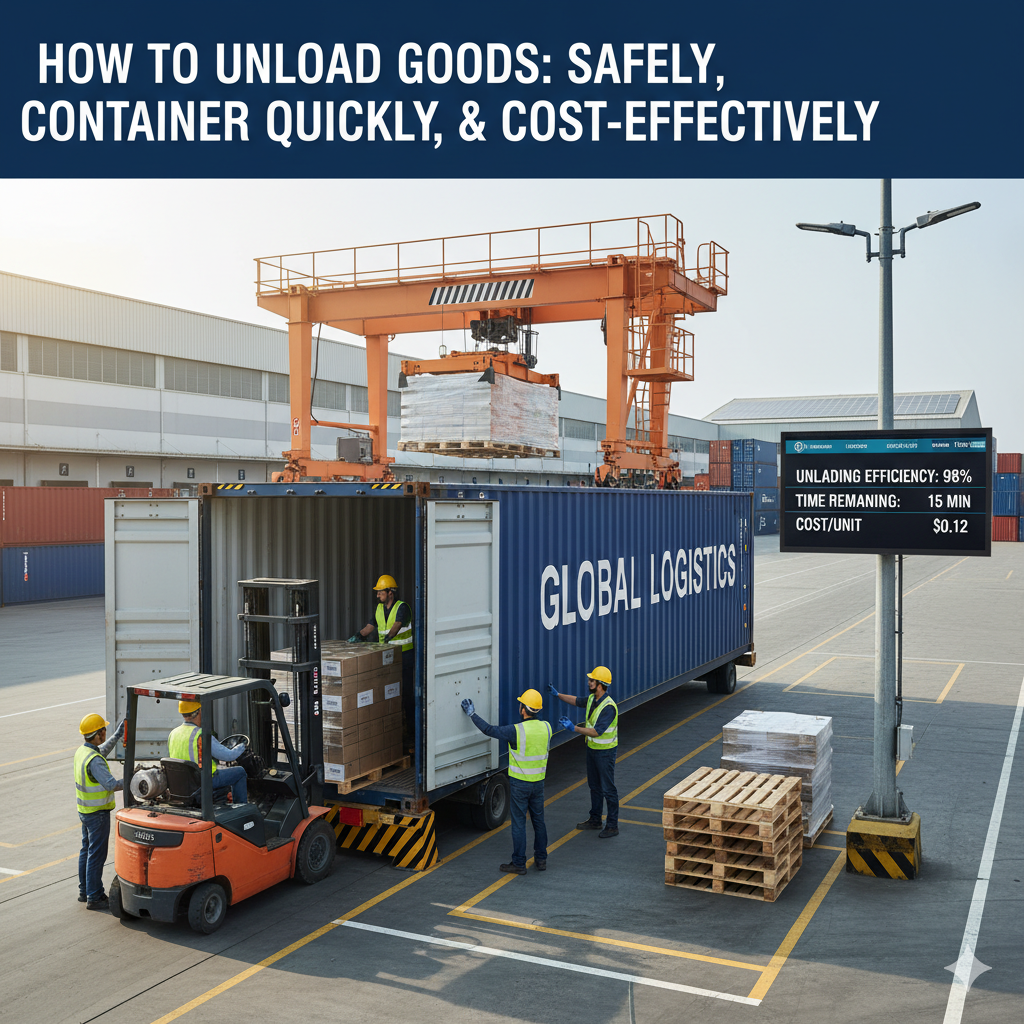
Th12
In warehousing, manufacturing, and logistics operations, choosing the right method to unload goods from a container not only saves time but also helps reduce cargo damage and workplace accidents. This article provides a detailed overview of the most common container unloading methods, along with their advantages and disadvantages.
What Is Container Unloading?
Container unloading is the process of removing goods from 20ft or 40ft containers into a warehouse, yard, or transport vehicle. Depending on cargo type, packaging method, and site conditions, businesses can choose the most suitable unloading solution.
Common Methods to Unload Goods from Containers
1. Unloading Containers Using a Forklift
This is the most efficient and widely used method for palletized goods.
Applicable conditions:
-
Container placed at ground level or equipped with a container ramp
-
Goods packed on standard pallets
-
Sufficient space for forklift operation
Advantages:
-
Fast unloading speed
-
High safety level
-
Reduced labor costs
-
Less risk of cargo damage
Disadvantages:
-
Requires investment in forklifts and ramps
-
Not suitable for loose cargo
👉 Recommendation: For high containers, electric sit-down or stand-up forklifts are preferred for better safety and efficiency.
2. Unloading Containers Using Conveyor Belts
Suitable for cartons or bagged goods without pallets.
Advantages:
-
Faster than manual unloading
-
Reduces worker fatigue
Disadvantages:
-
Still labor-intensive
-
Not suitable for heavy loads
3. Manual Container Unloading
Applicable when:
-
Goods are light
-
Small quantities
-
No mechanical equipment available
Advantages:
-
No equipment investment required
Disadvantages:
-
Labor-intensive
-
Slow
-
High risk of workplace injuries
4. Unloading with Hand Pallet Trucks or Semi-Electric Stackers
Ideal for small warehouses and light palletized cargo.
Advantages:
-
Low cost
-
Easy to operate
Disadvantages:
-
Slow operation
-
Cannot enter deep inside the container
5. Unloading Heavy Cargo with Cranes or Specialized Equipment
Used for:
-
Large machinery
-
Oversized or overweight cargo
Which Container Unloading Method Should You Choose?
| Cargo Type | Recommended Method |
|---|---|
| Palletized goods | Forklift + ramp |
| Carton goods | Conveyor belt |
| Light, small quantity | Manual unloading |
| Small warehouse | Hand pallet truck / semi-electric stacker |
| Heavy machinery | Crane / specialized equipment |
Important Safety Notes When Unloading Containers
-
Check for shifted or unstable cargo before opening container doors
-
Never drive a forklift into a container without a proper ramp
-
Do not exceed forklift load capacity
-
Ensure workers wear proper protective equipment
Frequently Asked Questions (Q&A)
❓ Is a forklift required to unload a container?
👉 Not mandatory. However, for palletized or large-volume cargo, forklifts are faster, safer, and more cost-effective in the long run.
❓ Can a 40ft container be unloaded using an electric forklift?
👉 Yes. As long as the container is at ground level or equipped with a suitable ramp, electric forklifts can safely unload 40ft containers.
❓ What if there is no container ramp?
👉 You can:
-
Use a conveyor belt
-
Unload manually
-
Use a hand pallet truck if the container is close to ground level
❓ Is container unloading dangerous?
👉 It can be risky if:
-
Cargo is improperly stacked
-
Safety equipment is insufficient
-
Forklifts are operated incorrectly
Proper training and equipment selection are essential.
❓ Should small businesses invest in forklifts for container unloading?
👉 Yes, if unloading is frequent. Small businesses can choose compact electric forklifts or semi-electric stackers to optimize costs.
Conclusion
Choosing the right container unloading method helps businesses:
-
Save time
-
Reduce labor costs
-
Improve workplace safety
If you need advice on forklifts for container unloading, especially EP electric forklifts, feel free to reach out for tailored recommendations.