

Working Principle of Sensors on Forklifts
Th9
🌟 Working Principle of Sensors on Forklifts
On forklifts, sensors are components responsible for collecting information from the environment or machine parts, then converting it into electrical signals for the controller (ECU or Controller) to process.
Some main working principles:
-
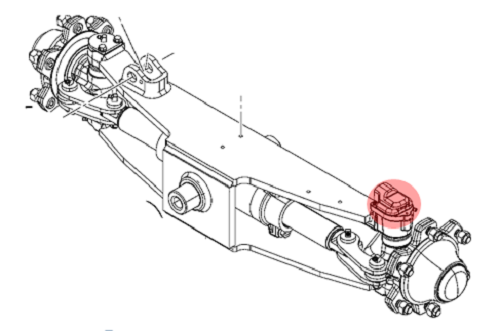
Steering Angle Sensor: measures the rotation of the steering wheel and sends signals for the electro-hydraulic system to control the steering precisely.
-
Load Sensor: calculates the weight of goods based on hydraulic pressure in the lifting cylinder.
-
Mast Height Sensor: uses magnetic field, optics, or resistance to determine the fork’s lifting height.
-
Speed Sensor: monitors the traveling speed of the forklift to limit speed when carrying high loads.
-
Proximity/Obstacle Sensor: detects obstacles using ultrasonic or infrared waves to provide collision warnings.
⚙️ Applications of Sensors on Forklifts
-
Operational safety: warns when the forklift is overloaded, lifting too high, or approaching collisions.
-
Optimized control: ensures steering, lifting-lowering, and braking systems work accurately, minimizing human error.
-
Equipment protection: prevents damage caused by improper loading and reduces wear on hydraulic–electrical systems.
-
Cost saving: minimizes accidents and breakdowns, thereby reducing repair and maintenance costs.
-
Improved efficiency: ensures stable operation, precise speed, and smoother handling.